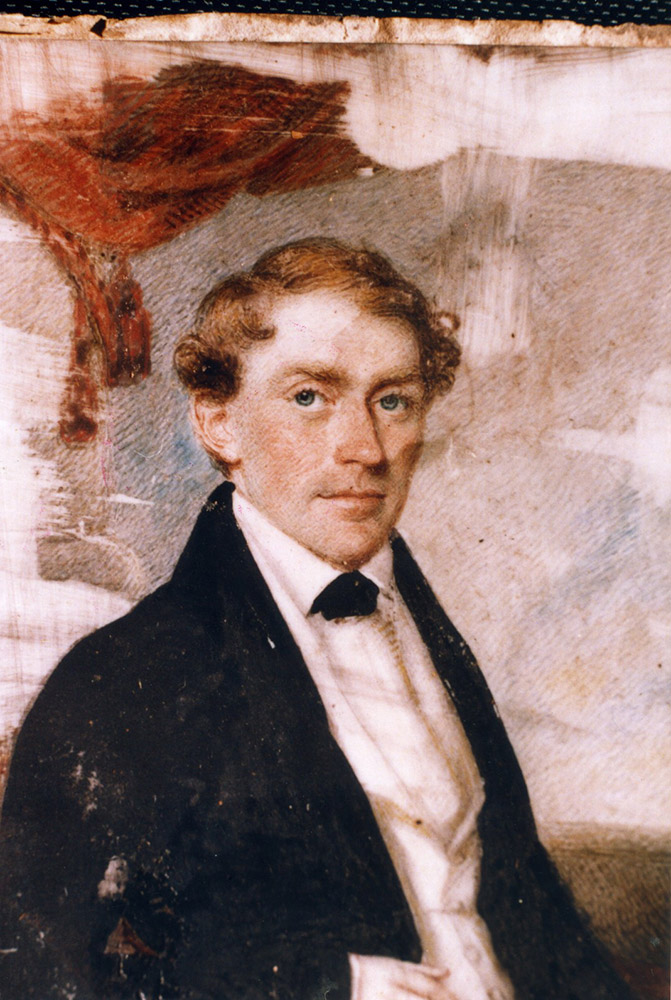
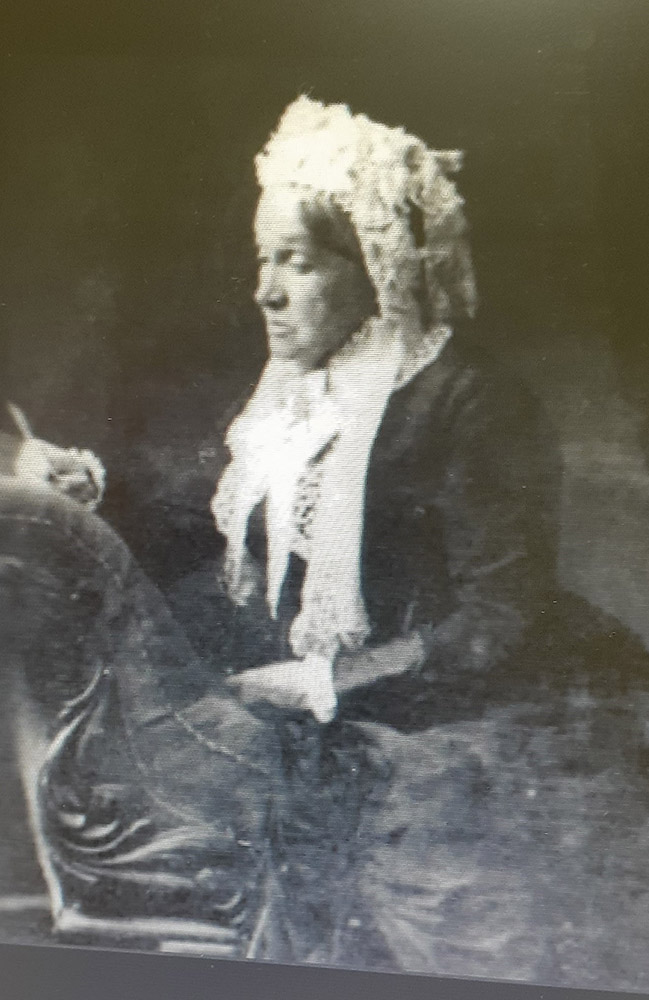
The web of our colonial past and highlands history, woven into the “Throsby Church”, began with Dr. Charles Throsby, medical officer, who arrived in 1802. He became a Magistrate and Parliamentarian, and as a passionate explorer, often with young Hamilton Hume, opened up much of the Southern Highlands, forging the Bong Bong track to the coast. In 1820 he undertook the making of the Argyle Road from Picton to the ‘New country’ for which Gov Macquarie granted him 1,500 acres, naming it Throsby Park. In 1820 his nephew, Charles Jnr. arrived, continuing the pastoral tradition and management of Throsby Park. Dr Charles died at “Glenfield” in 1828, and with no heir, his nephew inherited the estate. He is buried at Liverpool.
Charles Jnr built “Throsby Cottage” before his marriage to Elizabeth Broughton in 1824 when she was 17. She was born on Norfolk Island in 1807 and survived a Maori massacre en route to England, her mother among those slain. Between 1834 and 1837 they embarked on building the fine 27 room homestead “Throsby Park”. They went on to have 17 children. Various generations of the family have lived there.
Charles decided to finance the building of a church, designed by John Verge on his own land. He donated 100 acres for a Church, Parsonage and Glebe, and also financed it’s construction. Their 13th child was the first baby baptised at the Consecration Service in 1845 (by Bishop Broughton, Bishop of Australia). At the Centenary celebration in 1945, one Bhutan pine was planted around the periphery for each child. They had 9 sons and 8 daughters, seven married in the Church, 2 marrying into to the landowning Osborne Family. Charles died in 1854 and in 1884 Elizabeth restored or renovated many aspects of the building, and supported the church for the rest of her life. In 1866, Elizabeth decided to move back in the cottage. She died in 1891 aged 83, leaving 78 grandchildren and 18 great-grandchildren. Many of their descendants are buried in “The Throsby Church” cemetery and have their own distinctive headstones.