Dr Charles Throsby Snr (1771-1828) was a British naval surgeon, magistrate, pioneer and Parliamentarian. Arriving in 1802, he built ‘Glenfield’ near Liverpool, but his passion was in exploration to the south as Governor Macquarie decided to open up the Southern tablelands for settlement. On forging a road from Picton to the Highlands, he received a land grant from Gov Macquarie called Throsby Park and made many other expeditions, opening up the way to Canberra and the Shoalhaven.
He died in 1828 at 51 but with no heir, his estate was inherited by his nephew (Charles Jnr) who married Elizabeth (nee Broughton) Throsby who had survived a Maori massacre in 1809 en route to England with her mother. They went on to have 17 children, a Bhutan pine planted for each of their children around the periphery for the 1945 Centenary.
The Church
Significance
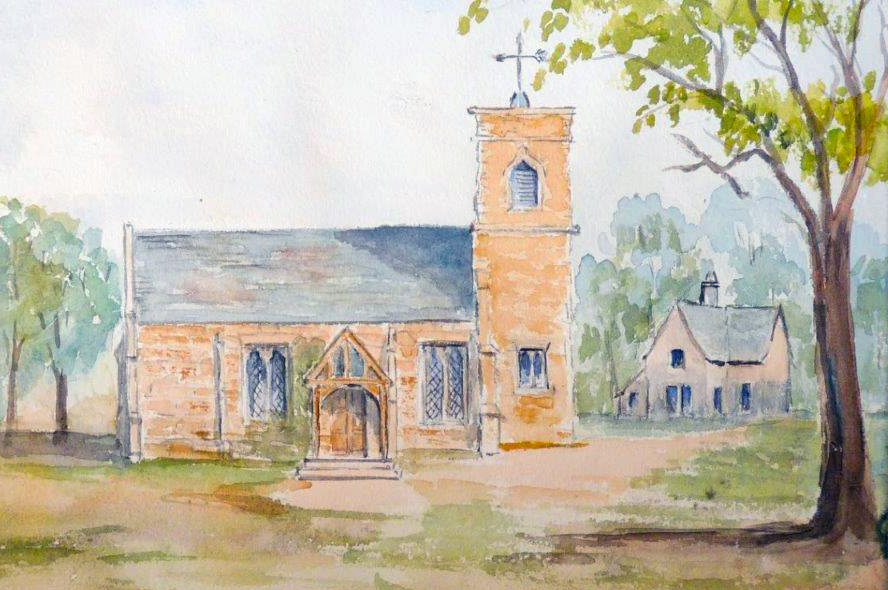
Christ Church Bong Bong, built in 1845 is the oldest church between Picton and Canberra, and along with the Briar’s Inn, are the last remaining buildings from Bong Bong Village, the first permanent settlement in the Highlands in 1821. Being prone to flooding however, the administrative functions moved to Berrima in 1831.
Charles Throsby had the church designed by architect John Verge, built at his own cost, providing land, glebe and cemetery. Bishop Broughton consecrated it in 1845, their 13th child baptised at the same service. It was constructed of red sand stock bricks with roof beams of pit sawn hardwood.
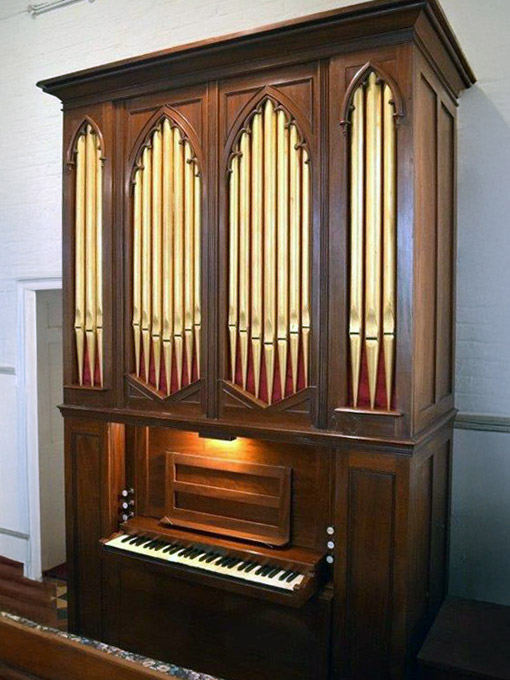
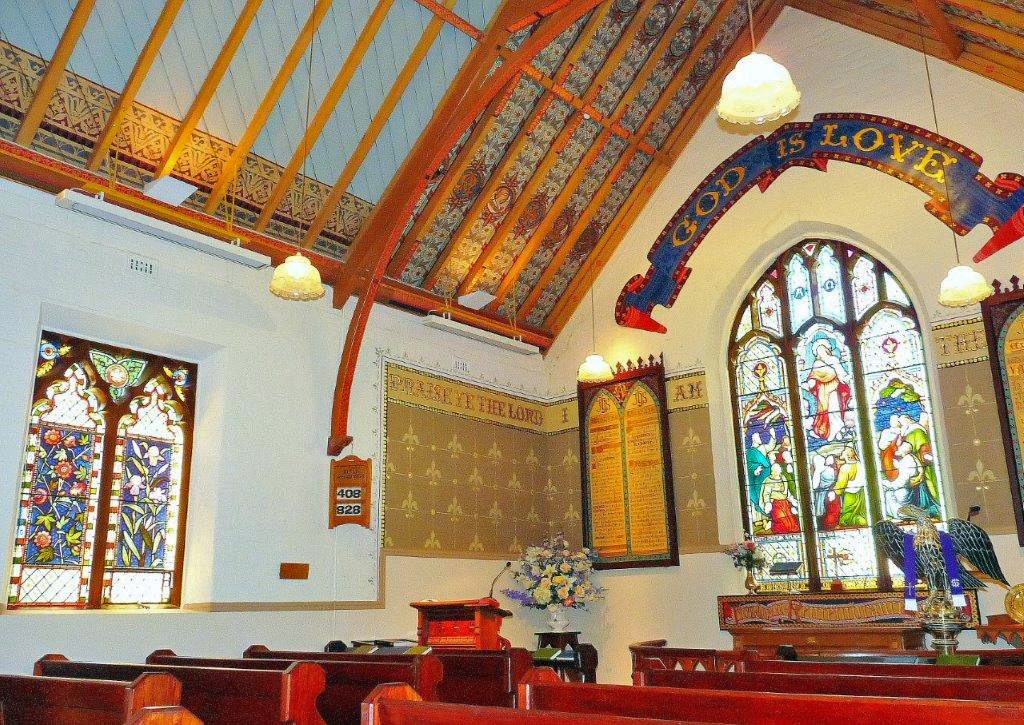
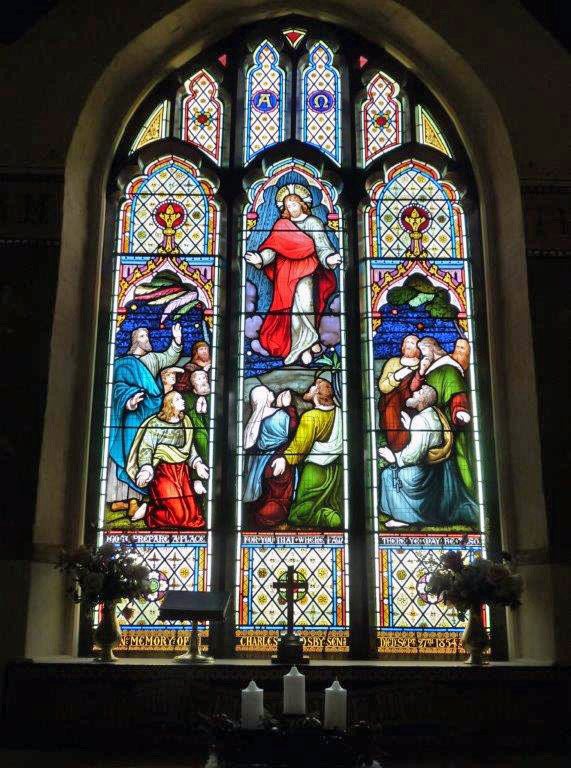
Charles died in 1854, and in 1884, major renovations were carried out by Elizabeth in his honour. These included removal of a gallery and staircase making way for the present rare Parson’s organ, one of the few in working order worldwide. The original windows were replaced with stained glass and painted enamel floral panels, as well as the main Ecclesiastical East window, and the floors tiled. The 10 Commandment panels, cedar pews, oak pulpit and brass lectern were also donated by Elizabeth. The original ceiling was replaced with a dome of decorated boards , and a new porch built.
Heritage Status
In 1976, the National Trust of Australia (NSW) advised the inclusion of the church, churchyard and cemetery on the Register of the National Estate. In 1986 it was added to the State Heritage Inventory and was given Local Heritage recognition in 1990. Over the years maintenance has included rendering to preserve the fabric of the building, drainage work and work on the stained glass. In 2010, major work, financed by a benefactor enabled a group of international conservators, to win a National Trust Award for restoration of a Church interior.
Interesting Features and Facts
The Fisher Window: Added in memory of a former Head Master of Tudor House school, first service in 1905 and boys attended until WWII.
The Sandstone Font: It was moved from St Thomas’ Church Mt Ashby, another Throsby church on land set aside by Marcia Throsby.
The Vault: Beneath the vestry is entry to a vault intended for the family but was susceptible to flooding and never used.
The Old Rectory: On the site of the Lawn cemetery, built about 1850s but fell into disrepair and demolished in the 1920s.
Schools Association: The Church was attended by the girls from SCEGGS boarding school in Moss Vale until it’s closure in 1974. Boys from Tudor House School pumped the organ in the early days, until it was electrified in the 60s, and later they had their own Chapel.
The Cemetery: The cemetery is an important record of historic information about the pioneers and convicts that once lived and worked in the Southern Highlands as well as the Throsby and Osborne families.